
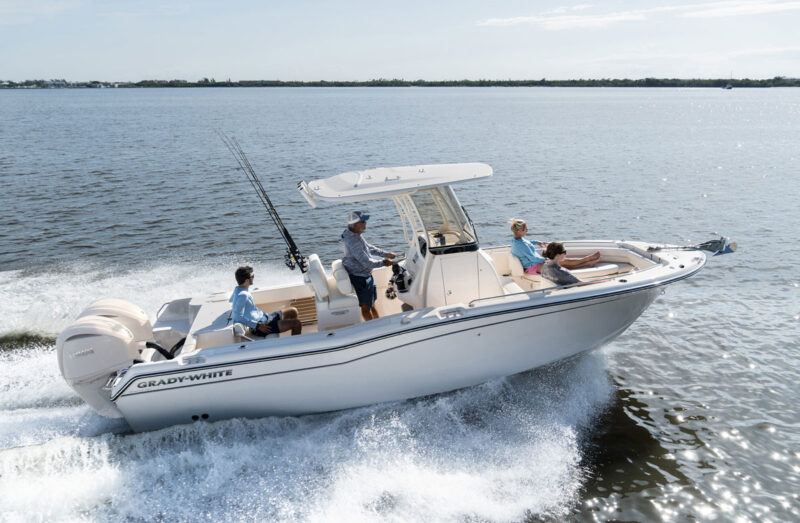
Long days on the water can take a toll on your back, especially when you’re bouncing to the next spot, standing to cast for hours, or sitting through long trolling passes. Understanding how seat design, lumbar support, and pedestal stiffness work together gives you better stamina at the bow and steadier comfort at the helm. In this guide, you’ll find practical setup tips drawn from marine ergonomics and on-deck experience so you can fish longer with less soreness.
Boat seats are not just cushions; they’re part of a system that manages posture, absorbs shock, and stabilizes your pelvis and spine against chop and torque. Small adjustments, seat height, backrest angle, and pedestal damping, can make the difference between a fresh back at mid‑day and a tight lower spine by sunset.
How Boat-Seat Ergonomics Support Anglers
Fishing loads your body in three ways: vertical impacts from hull slaps, rotational torque from casting and fighting fish, and static stress from long periods of sitting while trolling or idling. The right seat and pedestal manage all three. Your goal is a neutral spine, steady pelvis, and relaxed shoulders so energy goes into line control and lure action, not muscle guarding.
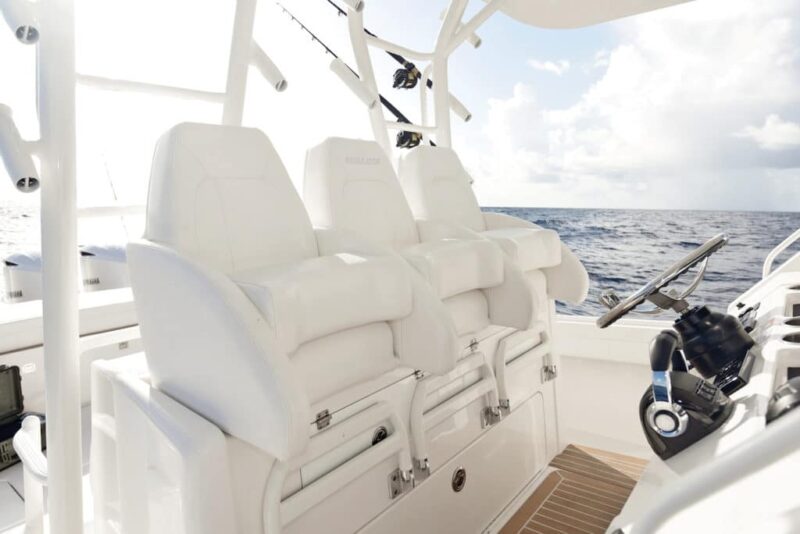
Three Factors That Matter Most
- Seat shape and support: Guides pelvic position and keeps your spine neutral.
- Lumbar support: Maintains the natural lower-back curve to reduce disc pressure.
- Pedestal stiffness: Filters vertical shock without feeling wobbly underfoot.
Seat Design Fundamentals
A good marine seat does more than feel soft. It holds your hips, minimises pressure points, and keeps you centered when waves or boat wakes try to toss you off line.
Contour and Width
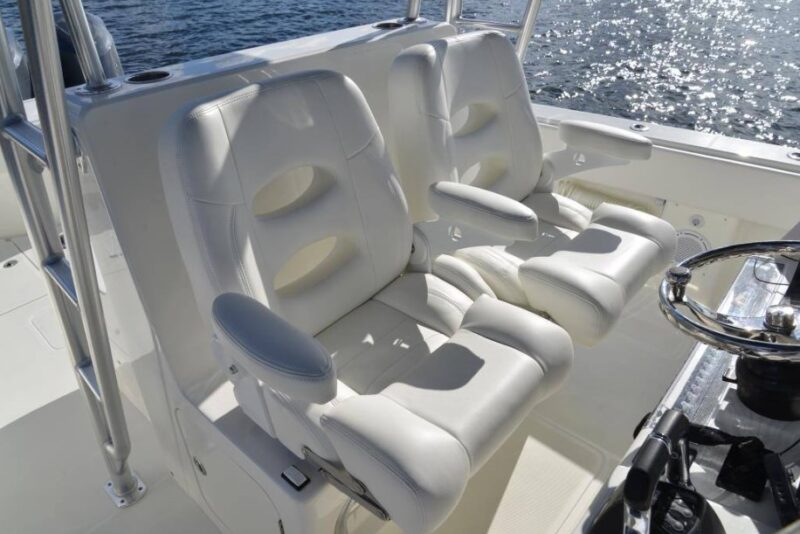
Look for a gently contoured seat pan with a “waterfall” front edge to avoid compressing the backs of your thighs. A pan that’s too narrow digs into your hips; too wide and you slide with each turn or wave. Side bolsters help during rough runs and while rotating to cast, keeping your pelvis stable so your core doesn’t overwork.
Backrest Height and Angle
High‑back designs support the thoracic spine and give your upper body a rest between casts or during long runs. Aim for a backrest angle near 100–110 degrees, just past upright, to reduce disc loading without slouching. For casting, some anglers prefer a slightly more upright setting for quicker transitions from sit to stand.
Foam and Cover
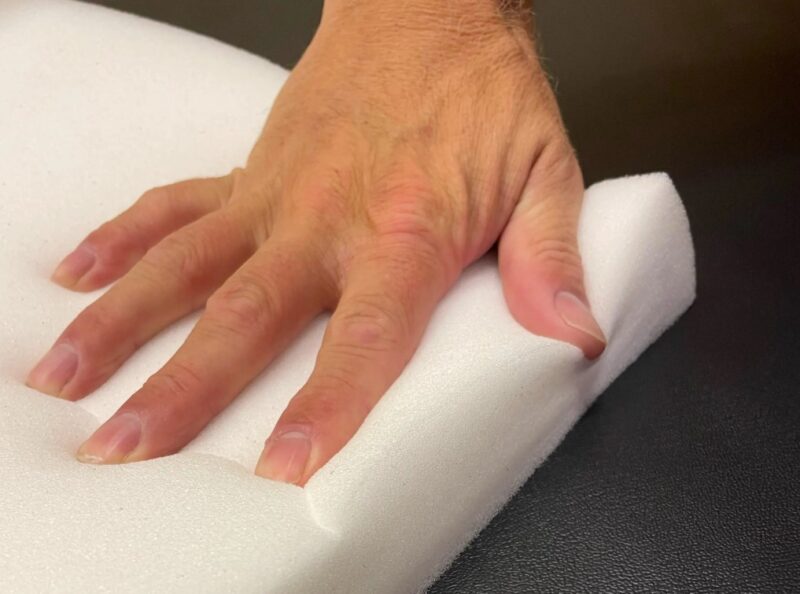
Marine‑grade, medium‑firm foam resists bottoming out and spreads pressure evenly. Vinyl or performance fabric should have enough grip to limit sliding but not so much that it restricts repositioning during active fishing. Stitching and panel shapes matter too: smoother transitions reduce hot spots on longer days.
Lumbar Support – Keeping the Spine Neutral
Lower-back fatigue often starts with a flattened or overarched lumbar curve. Support that meets your back at the beltline helps maintain the natural arc and cuts down on post-trip soreness.
Built-In vs. Adjustable Support
Some seats include a molded lumbar ramp; others use an adjustable pad. If your boat already has a favorite chair, a strap-on lumbar cushion works well and lets you fine-tune depth. Position the bulge to meet the small of your back, not the mid-back. You should feel gentle contact when relaxed, with room to breathe fully.
Fit Cues You Can Feel
When seated, you should be able to slide two fingers between the front seat edge and the back of your knee. Your lumbar area should feel supported without pushing you forward. If your upper back rounds after 10–15 minutes, add a touch more lumbar depth or raise seat height slightly.
Pedestal Stiffness and Deck Isolation
Your pedestal is the suspension between hull and spine. Too soft and you wobble, your back and hips fire constantly to stay upright. Too stiff and every jolt transmits through your discs and neck.
Finding the Sweet Spot
Air-ride and hydraulic pedestals offer adjustability; fixed pedestals trade simplicity for less isolation. For choppy runs, a medium damping setting is best: it soaks up repetitive slap without turning the seat into a pogo stick. On calm days, slightly firmer settings reduce motion so you can brace and rotate more accurately.
Height, Swivel, and Slide
- Height: Set hips just above knees (roughly a 100–110 degree knee angle). This reduces hip flexor strain and makes stand-to-cast transitions smoother.
- Swivel: Light, controlled rotation lets you turn your torso from the hips, not the lower back.
- Slide: A short fore-aft travel helps dial in reach to the helm and pedals without slouching.
Casting Stamina – Posture, Bracing, and Seat Setup
Casting asks for repeated rotation and quick footwork. Your seat should help you stand tall, brace cleanly, and sit back down without a jolt.
Stand-Ready Positioning
Set seat height so when you scoot forward to the front edge, you can plant both feet flat and stand using hips and glutes, not just your back. Keep your pelvis neutral, imagine a belt buckle pointing straight ahead. A subtle forward tilt (2–5 degrees) at the seat pan can help if you struggle to rise.
Bracing Without Tension
Use the seat as a light brace point at your hamstrings or glutes between casts, not a backstop you slam into. Keep shoulders relaxed and let rotation originate from hips and mid-back. If your lower back aches after frequent roll casts or pitching, increase swivel friction slightly and check that your feet can load evenly.
Trolling and Long-Run Comfort
Hours behind the wheel or on the back deck require a different approach than active casting. The priority shifts to shock management and low-effort posture.
Helm Setup Basics
Keep elbows near your sides; add a small armrest or pad if your wrists ride high on the wheel or throttle. Adjust the backrest so your head stays over your shoulders, not poked forward; a headrest helps on rough water to limit neck fatigue. If you feel each wave in the small of your back, lower damping a notch to increase isolation or add a thin seat-top shock pad.
A Simple Movement Routine
Every 20–30 minutes, slide forward, plant both feet, and take three slow breaths while lightly engaging your core. Gently rotate your torso left and right from the hips. These microbreaks reset posture and improve blood flow without stepping away from the controls.
Selecting Seats and Pedestals That Work
Materials, contours, and adjustability should match how you fish. If you run long to your spots or troll for hours, prioritize isolation and a supportive backrest. For active casting, aim for quick stand-up transitions and stable side-to-side control.
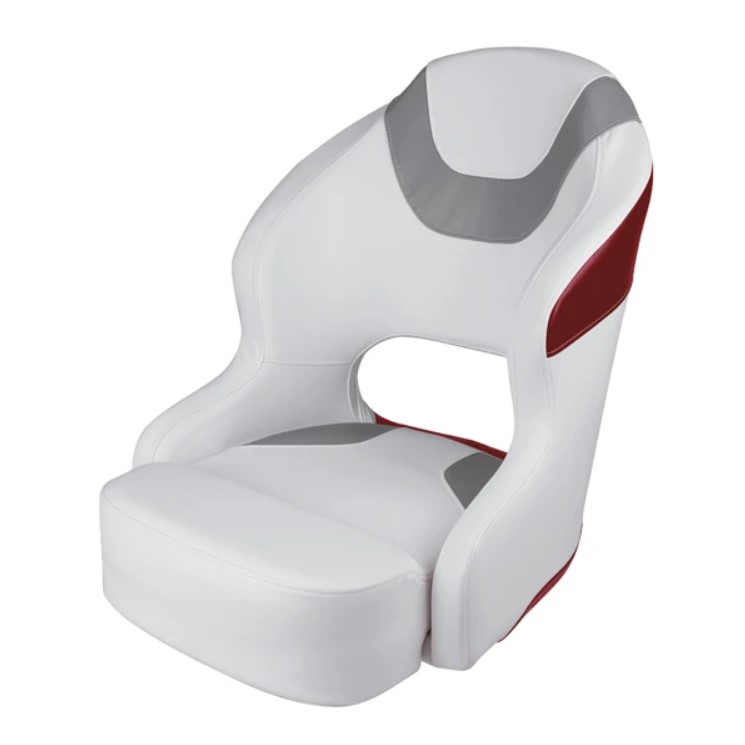
When you’re comparing options, look for contoured, high‑back designs with reliable lumbar support. As you browse boat seats for sale, prioritize models that keep your spine neutral on long runs and pair them with a pedestal that offers adjustable damping and secure locking at your preferred height.
Quick Fit Checklist
- Hips slightly higher than knees; feet can rest flat with light pressure.
- Gentle lumbar contact at the beltline; backrest set near 100–110 degrees.
- Swivel turns smoothly but doesn’t spin freely; pedestal shows minimal side play.
- You can stand without rocking the seat or rounding your lower back.
Signs Your Pedestal Is Too Soft or Too Stiff
- Too soft: You feel wobbly at idle, core stays “on,” and balance feels busy in light chop.
- Too stiff: Sharp jolts hit your lower back and neck on every wave.
- Just right: Impacts feel muted, and you can keep a light grip on the wheel or rod.
Simple Maintenance That Pays Off
Periodically check pedestal bushings and bolts for play. Lubricate swivel and slide tracks per manufacturer specs to keep motion smooth and predictable. Inspect foam for bottoming or hard spots; replace cushions that pack out, since lost height often leads to slouching.
After saltwater days, rinse hardware and hinges to prevent corrosion that can lock you into poor settings.
Conclusion
Back pain doesn’t have to be part of your fishing routine. With a seat that supports neutral posture, a lumbar setup that matches your body, and a pedestal tuned for your water conditions, you’ll cast with steady control and sit through long runs with less fatigue.
A few targeted adjustments, height, damping, and backrest angle, turn your seating from a place to rest into a quiet, effective foundation for every move you make on the water.